
Garden Pest Problems? Try These Beneficial Insects
A Simple Guide for Healthier Plants
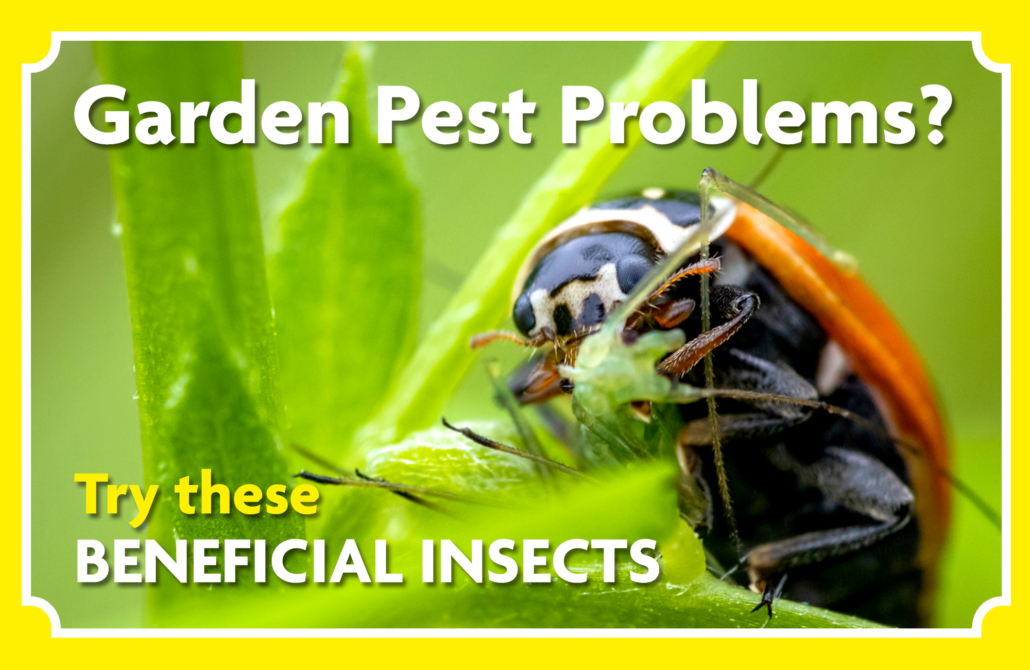
Pest insects can take over a garden almost overnight.
Small clusters of insects gather on stems and leaves, slowly weakening plants and spreading from one plant to the next. Many gardeners reach for sprays—but there’s another option that works with nature instead of against it.
Beneficial insects.
Ladybugs devour aphids.
Praying mantids hunt a wide range of garden pests.
Beneficial nematodes work underground to control soil-dwelling insects.
For decades, gardeners have used these natural predators to help keep their plants healthy and balanced.
The best part? Anyone can do it.
Here’s how to introduce beneficial insects into your garden and let nature help with pest control.
Meet Your Garden’s Natural Pest Control Team
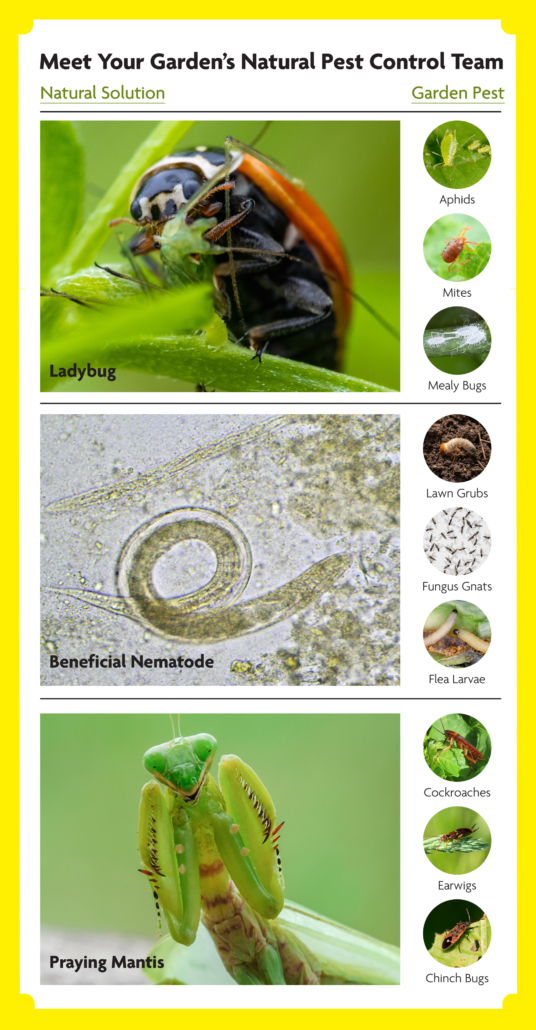
Beneficial insects help control pests in different parts of the garden ecosystem.
Ladybugs: The Aphid Patrol
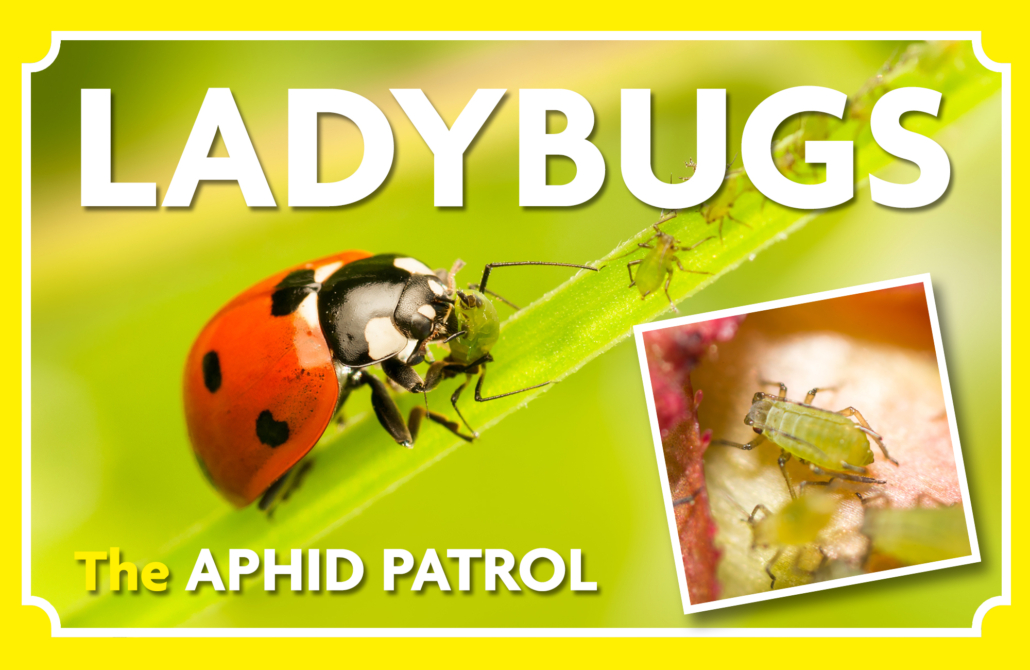
Ladybugs are one of the most familiar—and effective—beneficial insects used in gardens.
These small beetles have an impressive appetite. A single ladybug can consume dozens of aphids in a day, helping protect roses, vegetables, fruit trees, and ornamental plants.
Once released outdoors, ladybugs naturally search for plants where pests are present and begin feeding.
Quick Tips: Releasing Ladybugs
- Lightly water plants before releasing
- Release at the base of the aphid-infected plant
- Release in the evening hours
After release, ladybugs spread throughout the garden in search of food.
For longer lasting ladybug populations, Set up a Ladybug House!
Ground Control: Beneficial Nematodes
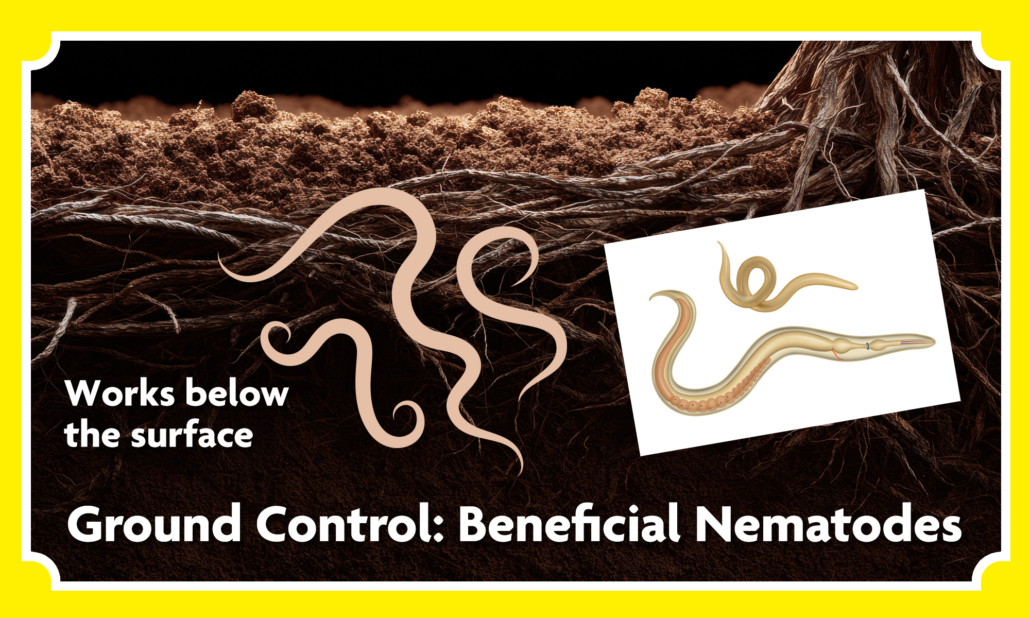
While ladybugs patrol plant leaves, beneficial nematodes work beneath the soil surface.
These microscopic organisms move through moist soil and target pests before they can damage plant roots or lawns. Gardeners commonly use beneficial nematodes to help control insects that spend part of their life cycle underground.
Common targets include:
- lawn grubs
- fungus gnats
- cutworms
- Japanese beetles
- flea larvae
- other soil-dwelling pests
Quick Tips: Applying Beneficial Nematodes
- Apply to moist soil
- Avoid applying in direct sunlight
- Lightly water the area afterward
Once introduced, nematodes begin working underground immediately, can last for up to a year and cover up to 2,000 sq. ft.
Praying Mantids: The Patient Predator Protecting your Garden
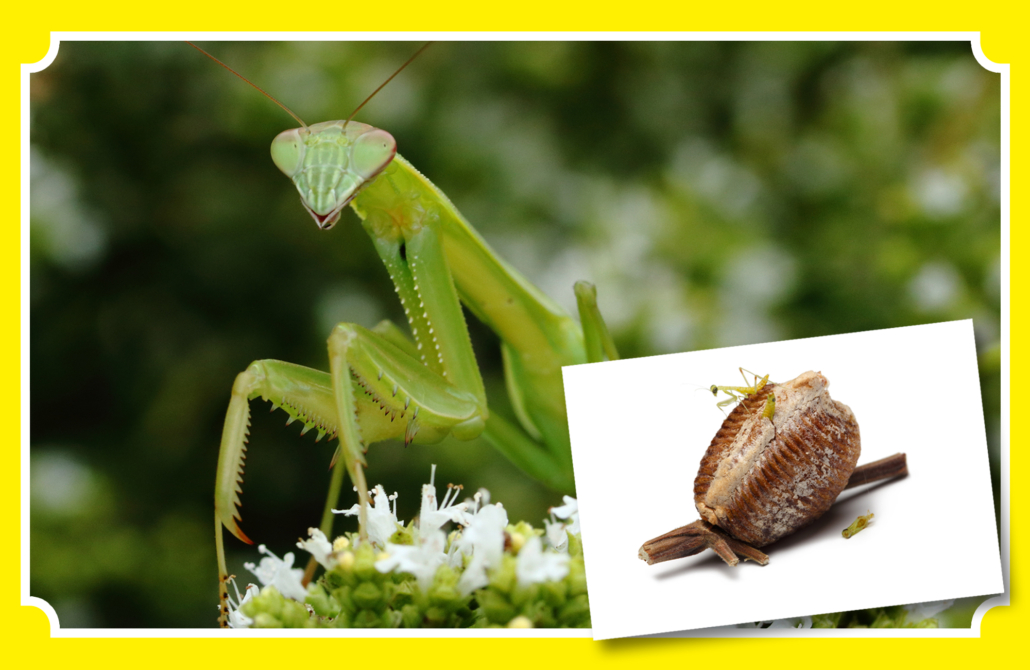
Praying mantids are fascinating insects known for their quiet hunting style.
They wait patiently among plants before capturing passing insects. Because they feed on a wide range of pests, mantids help maintain balance in garden environments.
Mantids are typically introduced as egg cases that hatch outdoors when temperatures warm in spring.
Quick Tips: Placing Mantis Egg Cases
- Place in a windowsill
- Allow natural temperatures to trigger hatching
- Release baby mantis into the garden within 24 hours of hatching
Ladybug Houses: A Simple Garden Habitat
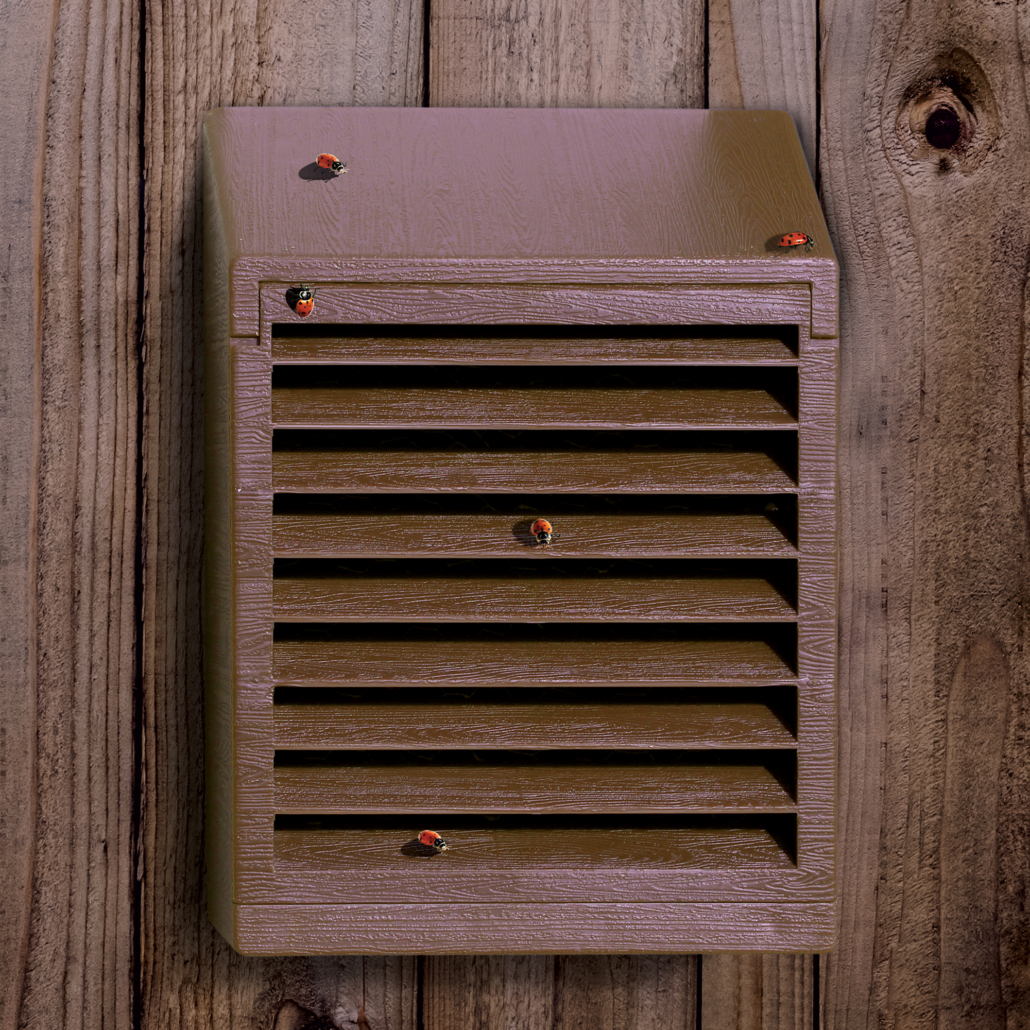
Providing small habitats can encourage beneficial insects to remain in the garden.
Specially designed to aid the ladybug’s natural tendency to crawl upwards for shelter.
Ladybug houses offer sheltered resting places near plants where insects are feeding, helping create a welcoming environment for these helpful predators.
Quick Tips: Placing Ladybug Houses
- Install near garden beds or flowering plants
- Choose sheltered locations away from strong wind
- Combine with nectar-rich flowers to attract insects
Small habitat features can help make gardens more beneficial-insect friendly.
Where Beneficial Insects Work
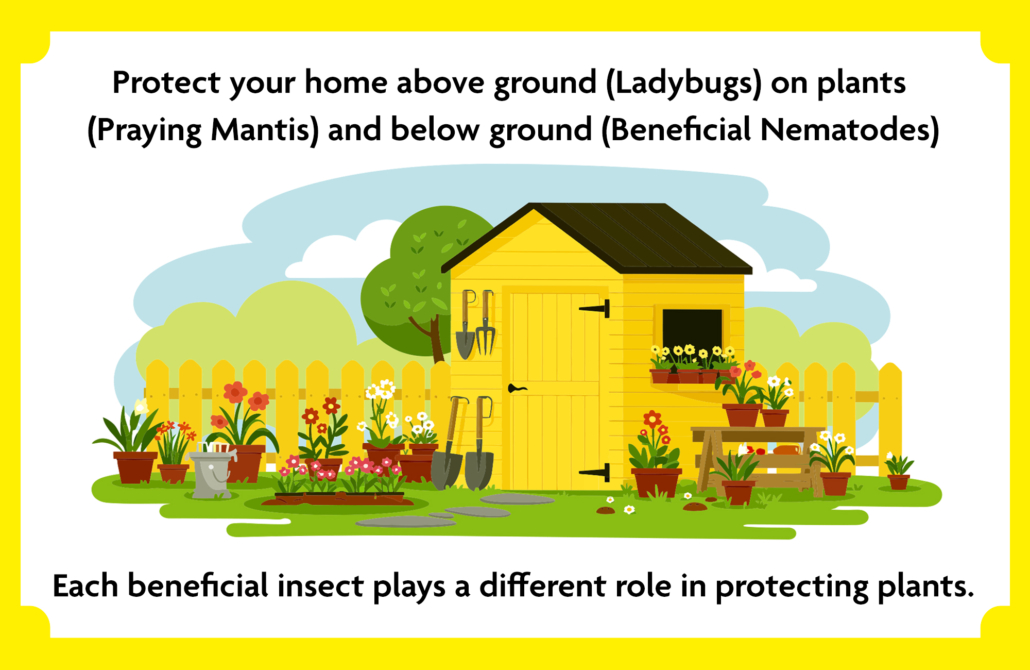
Let Nature Lend a Hand
A thriving garden isn’t just about plants—it’s about balance.
Beneficial insects are a simple way to support that balance by helping control pests naturally. By introducing these tiny helpers into your garden, you can reduce pest pressure while encouraging a healthier outdoor environment.
Whether you’re growing vegetables, flowers, or landscaping plants, beneficial insects can become valuable partners in your gardening routine.
Sometimes the best pest control is simply letting nature do what it does best.
Where to Find Beneficial Insects
Find a store near you using our Store Locator.
3 Signs Your Garden Could Benefit from Beneficial Insects
- Aphids clustering on plant leaves
- Lawn patches damaged by grubs
- Small flying insects around plants or soil
Beneficial insects can help restore natural balance in your garden.

