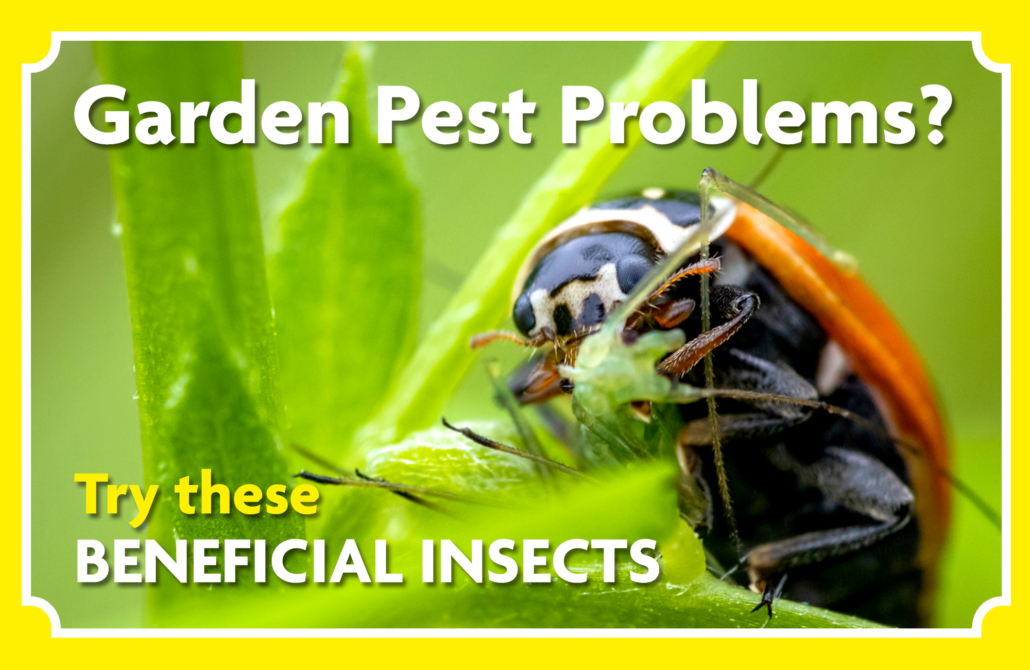
Garden Pest Problems? Try These Beneficial Insects

A Simple Guide for Healthier Plants

Pest insects can take over a garden almost overnight.

Small clusters of insects gather on stems and leaves, slowly weakening plants and spreading from one plant to the next. Many gardeners reach for sprays—but there’s another option that works with nature instead of against it.

Beneficial insects.
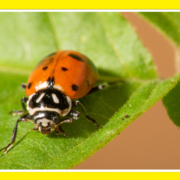
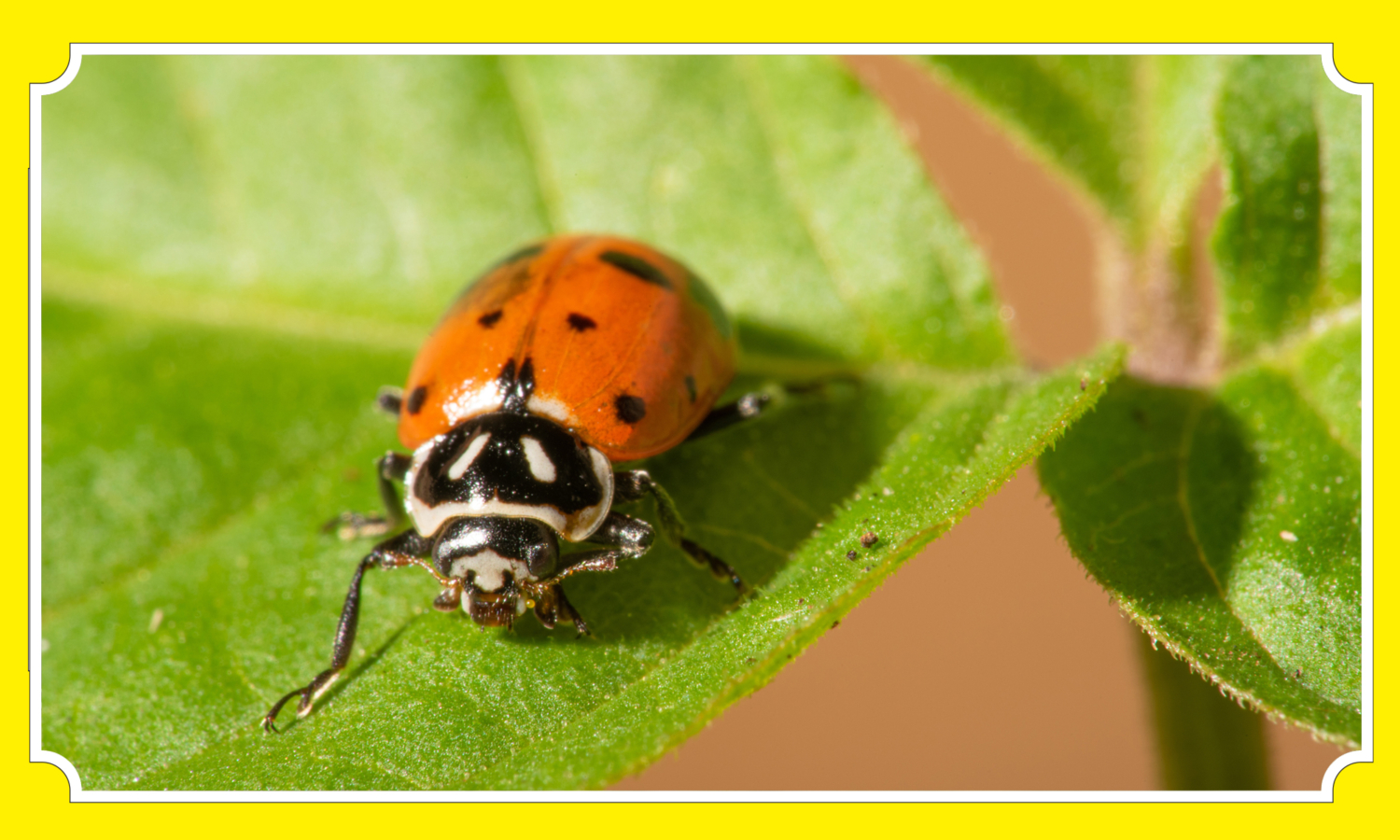
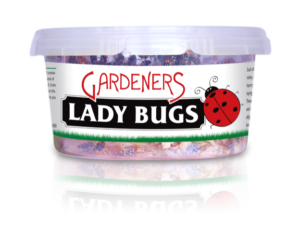
Ladybugs devour aphids.
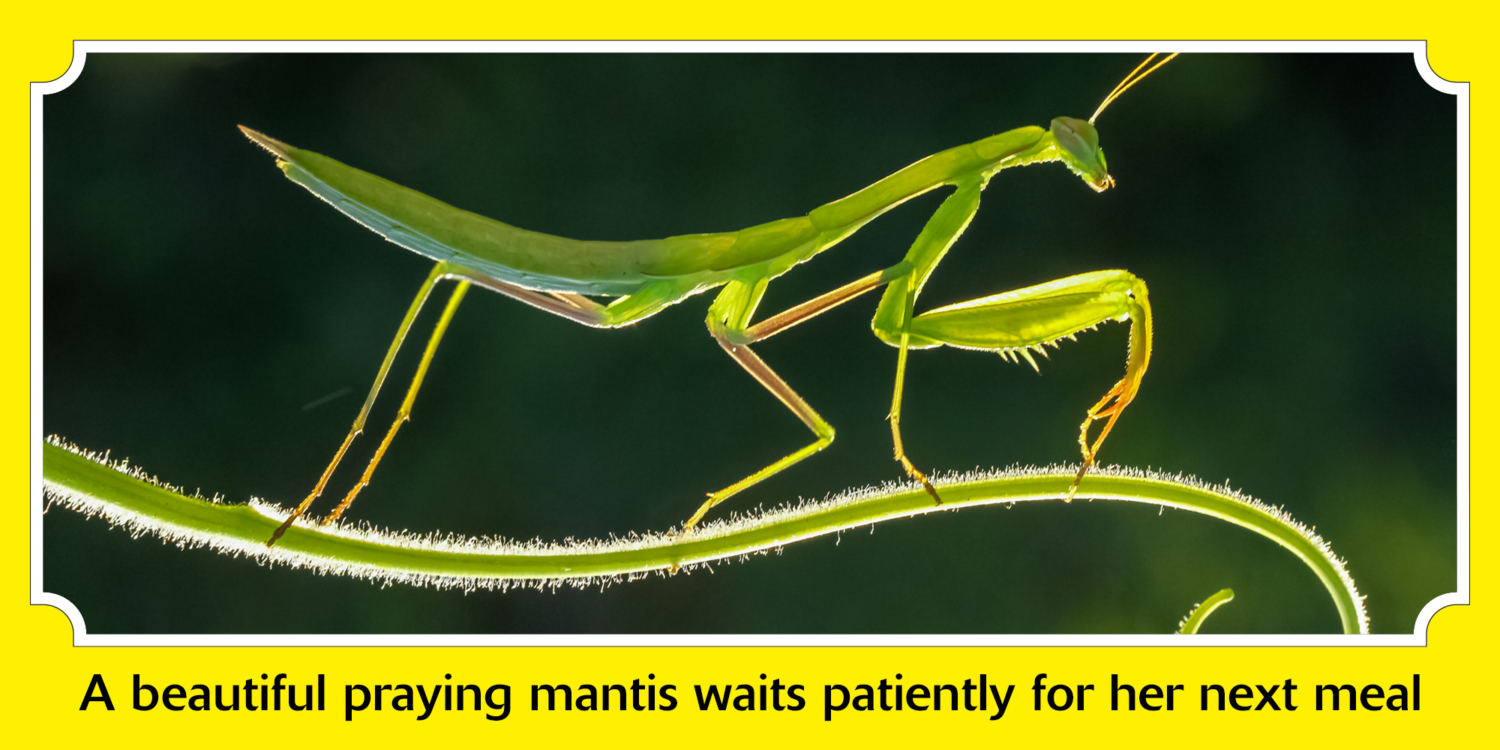
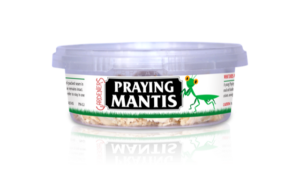
Praying mantids hunt a wide range of garden pests.
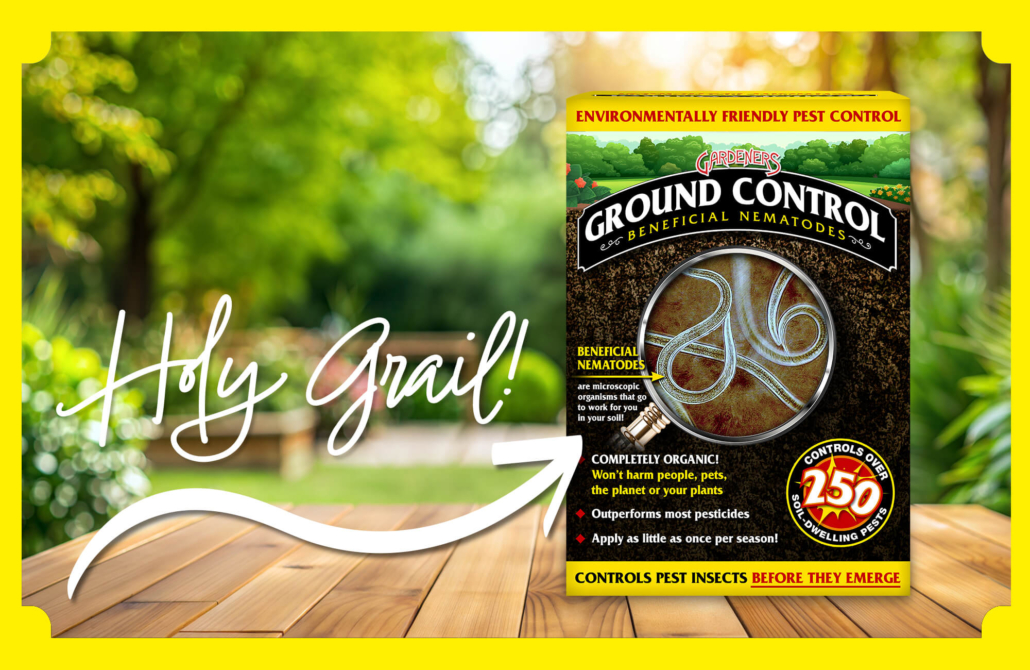
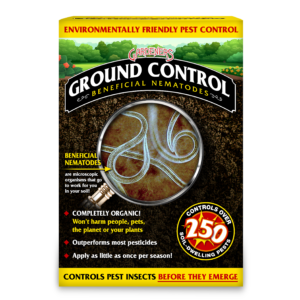
Beneficial nematodes work underground to control soil-dwelling insects.

For decades, gardeners have used these natural predators to help keep their plants healthy and balanced.

The best part? Anyone can do it.

Here’s how to introduce beneficial insects into your garden and let nature help with pest control.

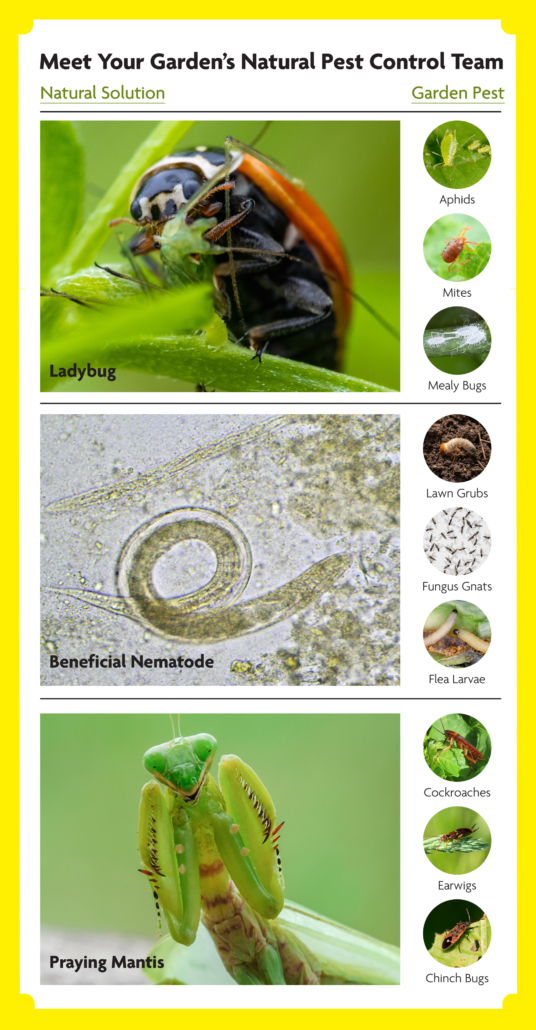
Meet Your Garden’s Natural Pest Control Team


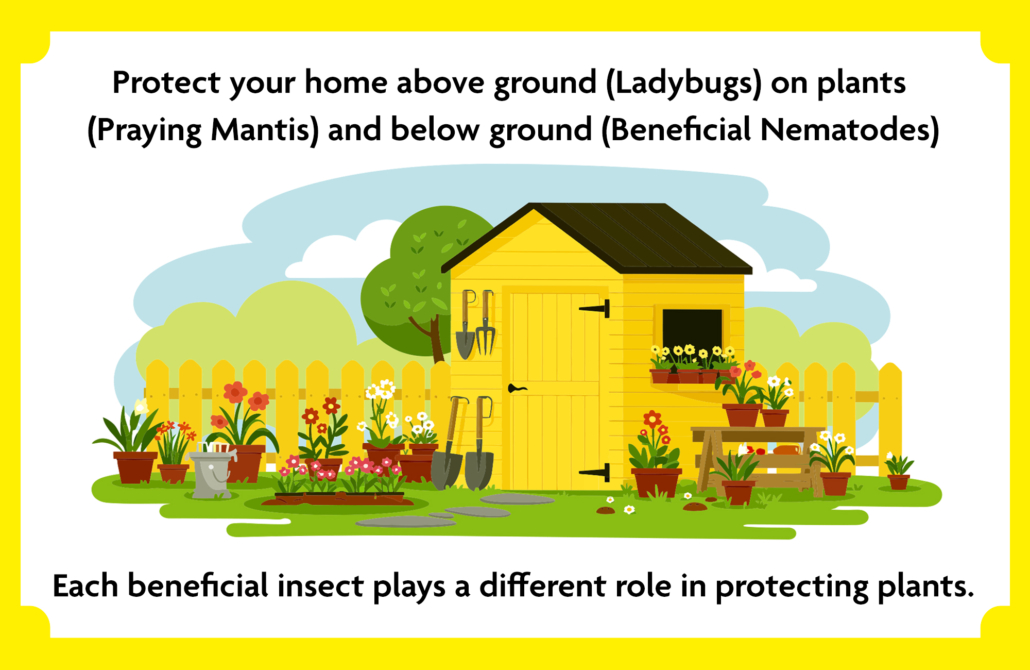
Beneficial insects help control pests in different parts of the garden ecosystem.

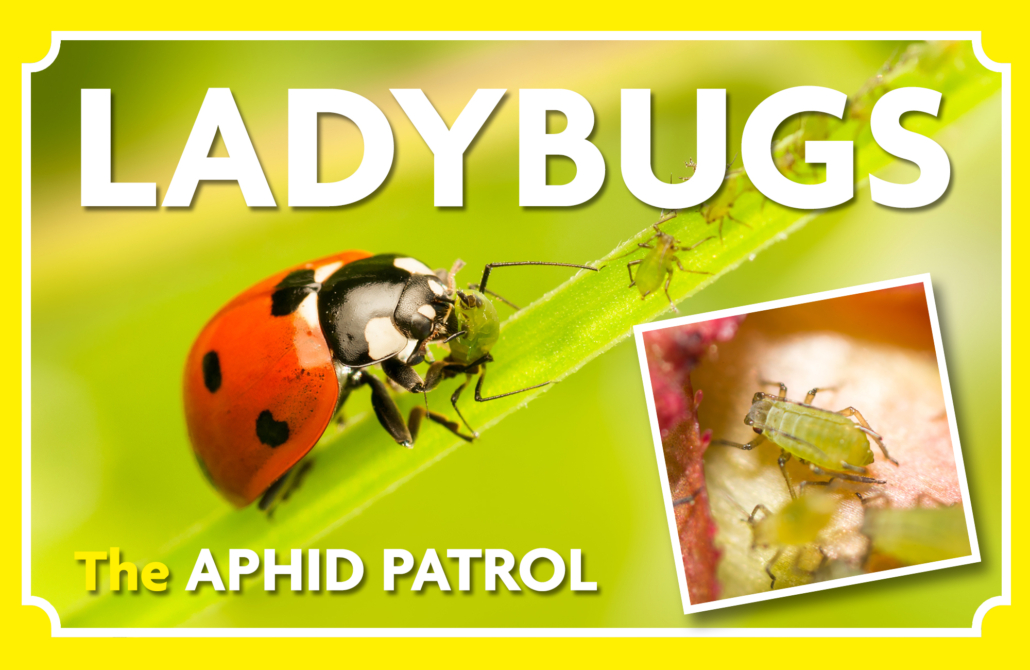
Ladybugs: The Aphid Patrol

Ladybugs the Aphid Patrol

Ladybugs are one of the most familiar—and effective—beneficial insects used in gardens.

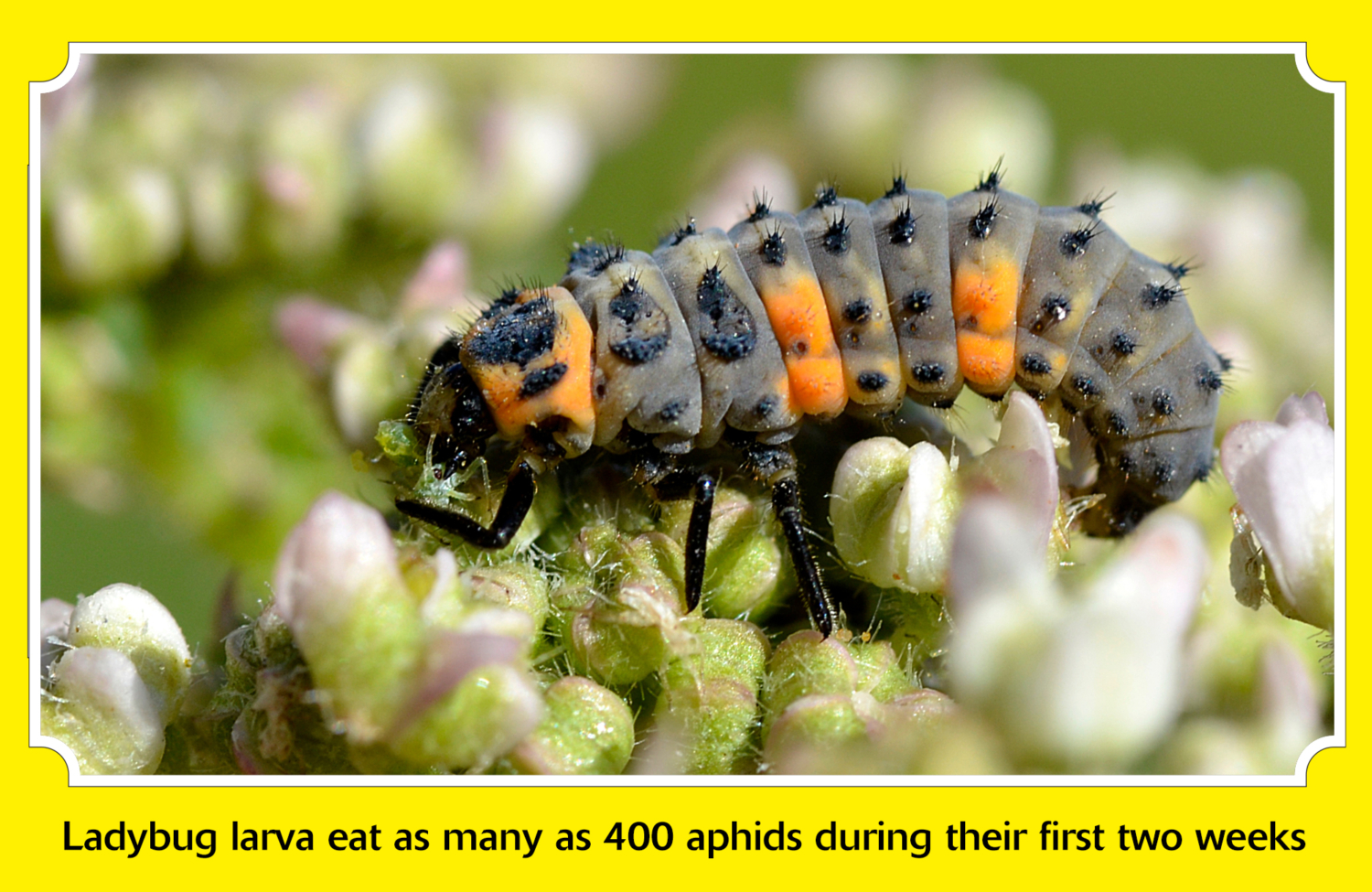
These small beetles have an impressive appetite. A single ladybug can consume dozens of aphids in a day, helping protect roses, vegetables, fruit trees, and ornamental plants.

Once released outdoors, ladybugs naturally search for plants where pests are present and begin feeding.

Quick Tips: Releasing Ladybugs

  • Lightly water plants before releasing
  • Release at the base of the aphid-infected plant
  • Release in the evening hours

After release, ladybugs spread throughout the garden in search of food.

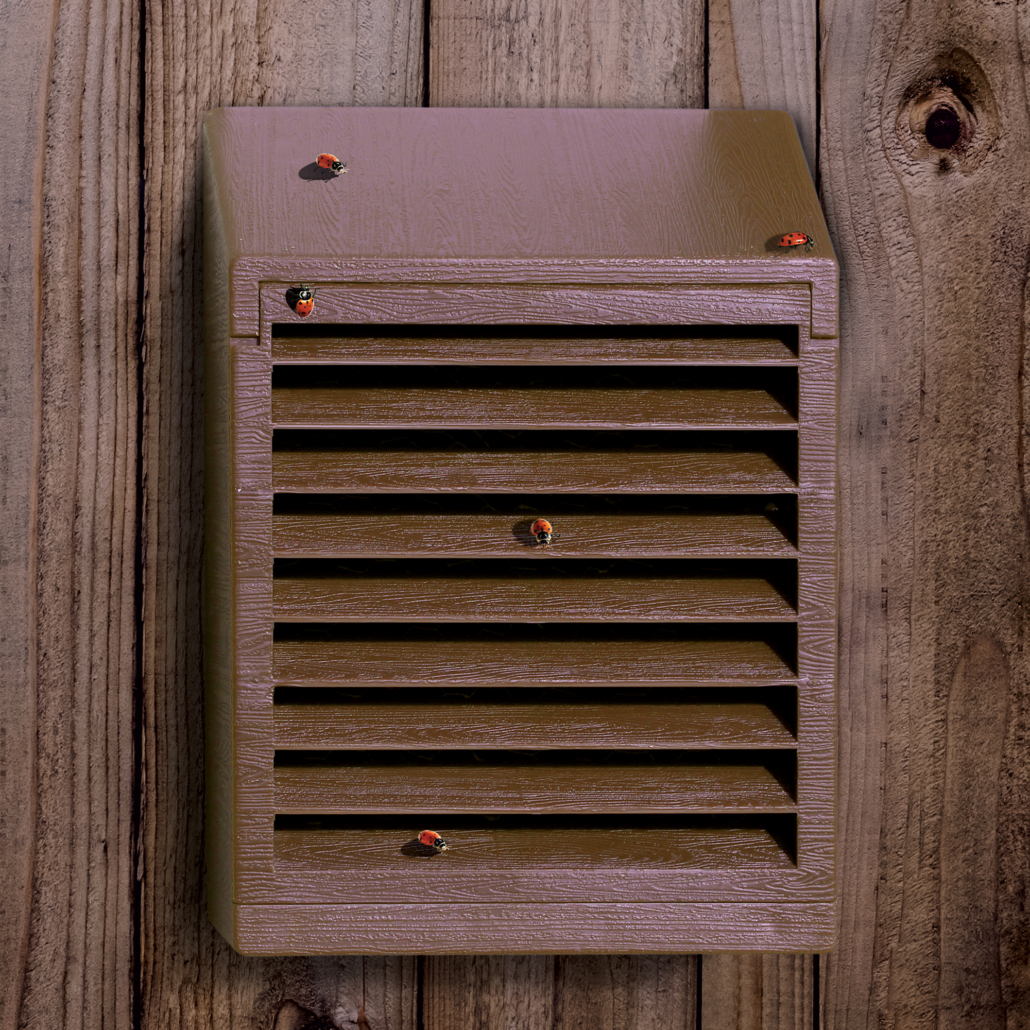
For longer lasting ladybug populations, Set up a Ladybug House!

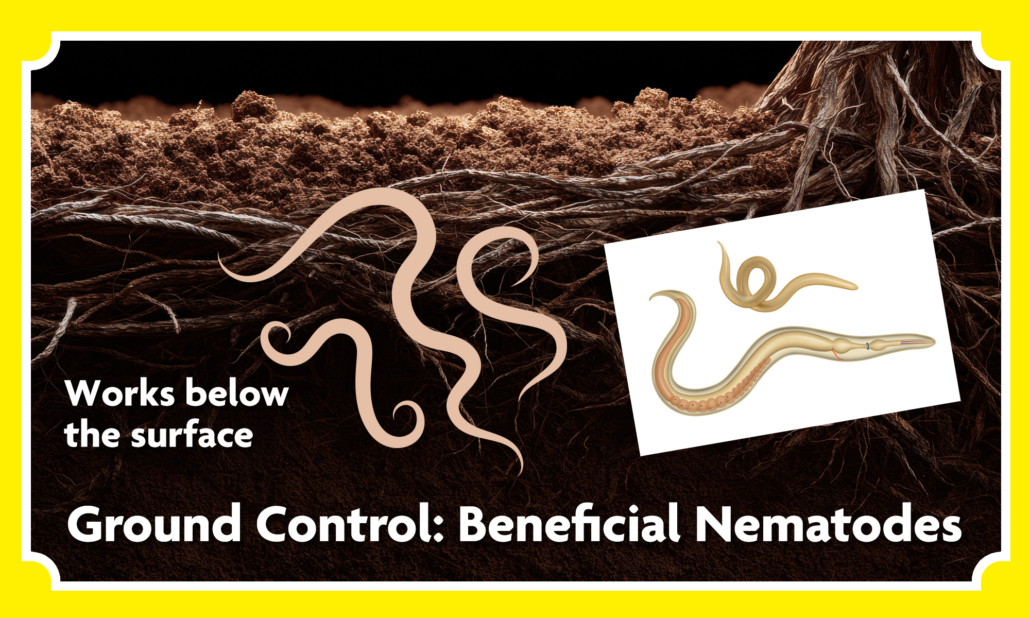
Ground Control: Beneficial Nematodes

While ladybugs patrol plant leaves, beneficial nematodes work beneath the soil surface.

These microscopic organisms move through moist soil and target pests before they can damage plant roots or lawns. Gardeners commonly use beneficial nematodes to help control insects that spend part of their life cycle underground.

Common targets include:

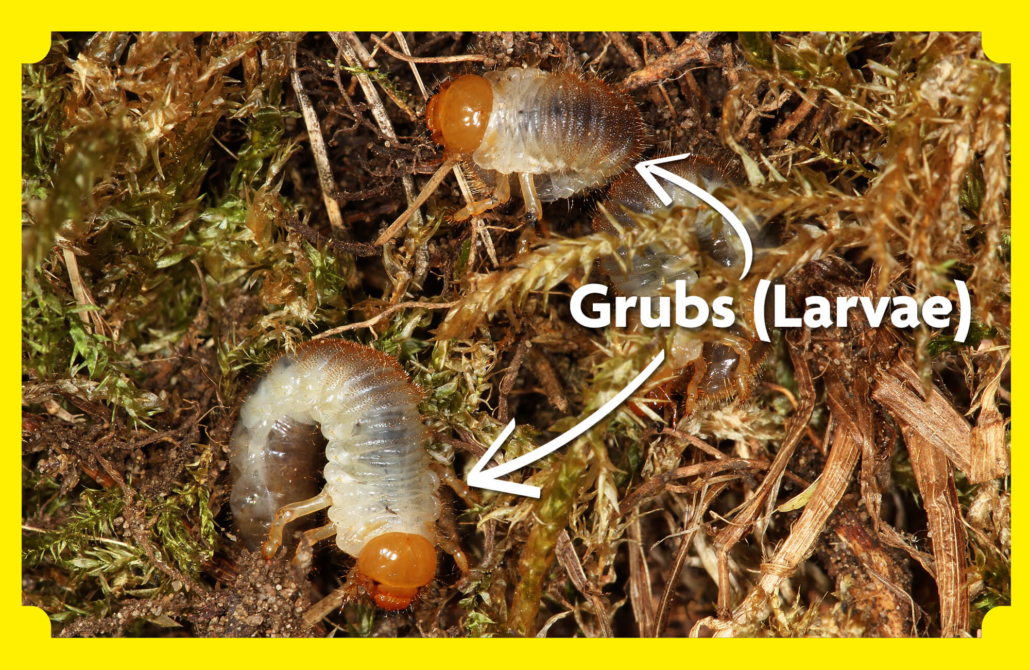
  • lawn grubs 
  • fungus gnats
  • cutworms
  • Japanese beetles
  • flea larvae
  • other soil-dwelling pests

Quick Tips: Applying Beneficial Nematodes

  • Apply to moist soil
  • Avoid applying in direct sunlight
  • Lightly water the area afterward

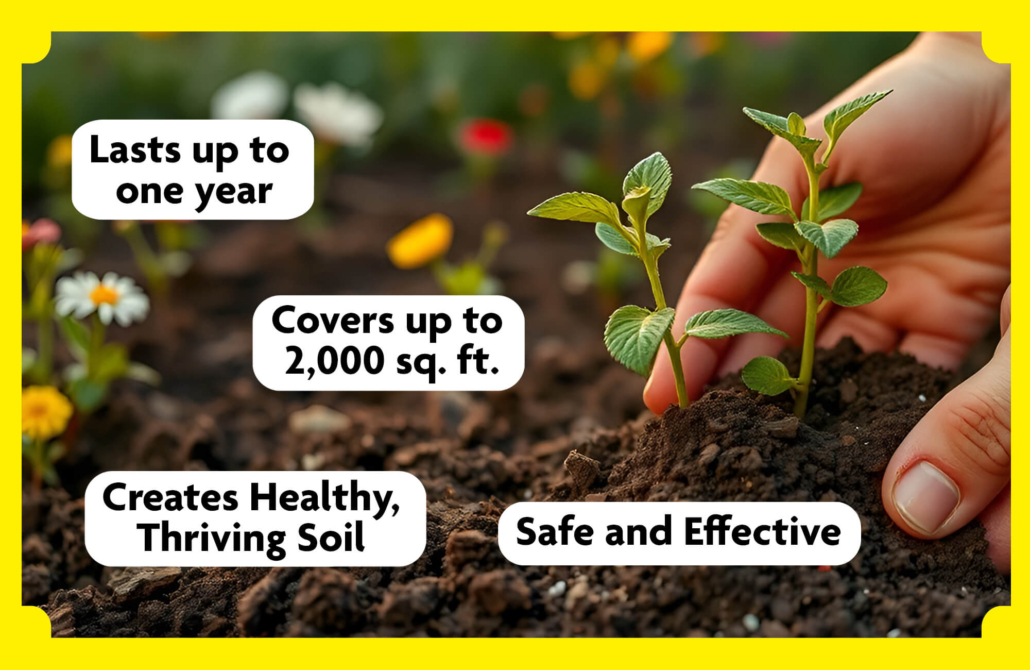
Once introduced, nematodes begin working underground immediately, can last for up to a year and cover up to 2,000 sq. ft.

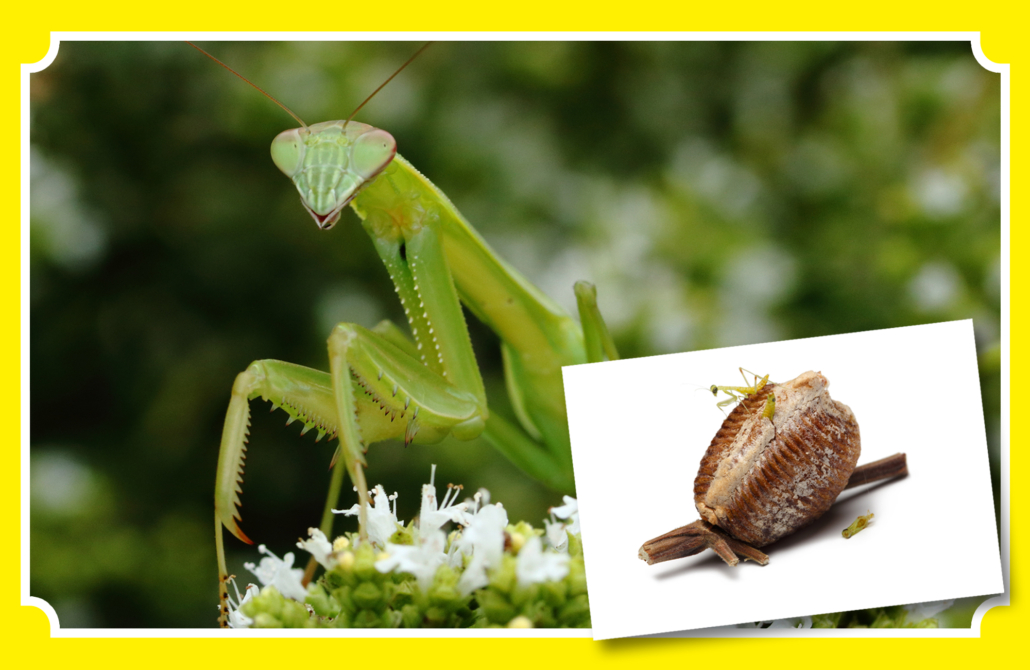
Praying Mantids: The Patient Predator Protecting your Garden

Praying mantids are fascinating insects known for their quiet hunting style.

They wait patiently among plants before capturing passing insects. Because they feed on a wide range of pests, mantids help maintain balance in garden environments.

Mantids are typically introduced as egg cases that hatch outdoors when temperatures warm in spring.

Quick Tips: Placing Mantis Egg Cases

  • Place in a windowsill
  • Allow natural temperatures to trigger hatching
  • Release baby mantis into the garden within 24 hours of hatching

Ladybug Houses: A Simple Garden Habitat

Providing small habitats can encourage beneficial insects to remain in the garden.

Specially designed to aid the ladybug’s natural tendency to crawl upwards for shelter.

Ladybug houses offer sheltered resting places near plants where insects are feeding, helping create a welcoming environment for these helpful predators.

Quick Tips: Placing Ladybug Houses

  • Install near garden beds or flowering plants
  • Choose sheltered locations away from strong wind
  • Combine with nectar-rich flowers to attract insects

Small habitat features can help make gardens more beneficial-insect friendly.

Where Beneficial Insects Work

Let Nature Lend a Hand

A thriving garden isn’t just about plants—it’s about balance.

Beneficial insects are a simple way to support that balance by helping control pests naturally. By introducing these tiny helpers into your garden, you can reduce pest pressure while encouraging a healthier outdoor environment.

Whether you’re growing vegetables, flowers, or landscaping plants, beneficial insects can become valuable partners in your gardening routine.

Sometimes the best pest control is simply letting nature do what it does best.

Where to Find Beneficial Insects

Find a store near you using our Store Locator.


      3 Signs Your Garden Could Benefit from Beneficial Insects

      • Aphids clustering on plant leaves
      • Lawn patches damaged by grubs
      • Small flying insects around plants or soil

      Beneficial insects can help restore natural balance in your garden.

      Dr. Craig Kolodge

      Blog Series: Beneficial Nematodes–Nature’s Secret Weapon for a Healthy Garden Part 3

      Implementing Beneficial Nematodes for a Thriving Garden

      Introduction

      Now that we understand how beneficial nematodes work, it’s time to put them to use in our own gardens. By incorporating nematodes into your soil management plan, you can create a self-sustaining ecosystem where pests remain under control naturally.

      Dr. Kolodge’s Expert Advice on Implementing Beneficial Nematodes in Your Garden

      Best Practices for Introducing Beneficial Nematodes

      1. Choose the Right Nematodes: Different species target different pests, so be sure to select the right type for your garden’s needs.
      2. Apply at the Right Time: Beneficial nematodes are most effective when applied in the early morning or evening when soil moisture is high.
      3. Keep Soil Moist: Nematodes need moisture to move through the soil and locate their prey.
      4. Repeat Applications as Needed: Depending on the severity of the pest problem, multiple applications may be necessary for long-term success.

      Why Beneficial Nematodes Are a Game Changer

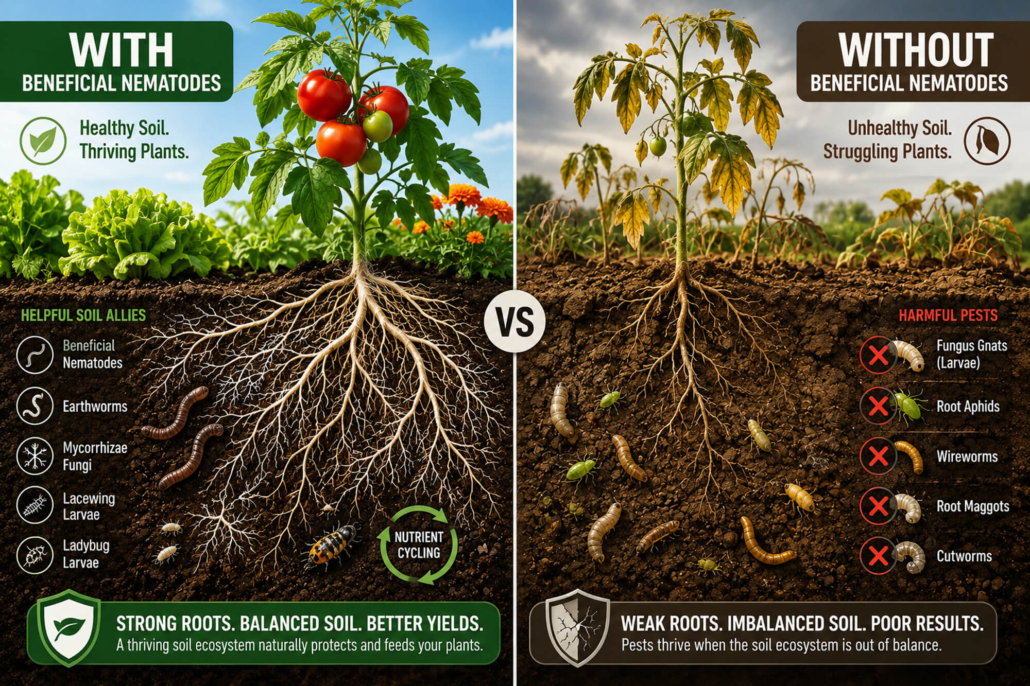
      • They act as the “livestock” of the soil, sustaining the natural nutrient cycle.
      • Chemical pesticides often fail, leading to resistant pests and further imbalance.
      • True pest management isn’t about eliminating pests but working with nature to maintain balance.

      Dr. Kolodge stresses that waiting until an infestation gets out of control leads to irreversible damage. “If you allow it to explode, it always costs a lot more. Sometimes the damage is so bad that it triggers a domino effect, making it nearly impossible to recover.”

      Conclusion: The Future of Sustainable Gardening

      The key to a thriving garden and a healthier planet lies beneath our feet. By introducing and nurturing beneficial nematodes in your soil, you take a crucial step in supporting biodiversity, improving soil health, and naturally managing pests.

      “Most people rarely stick their hands in soil, rarely understand that in many respects, when you walk into a garden, you’re never alone because you’re supported by the millions upon millions of microorganisms that you depend upon that are holding you up.”
      – Dr. Craig Kolodge

      A special thank you to Dr. Craig Kolodge for sharing his expertise and inspiring gardeners to work in harmony with nature.

      Dr. Craig Kolodge

      Blog Series: Beneficial Nematodes–Nature’s Secret Weapon for a Healthy Garden Part 2

      The Role of Beneficial Nematodes in Natural Pest Control

      Introduction

      Pest management is often viewed as a battle against nature, but what if we could harness nature’s own solutions to keep our gardens healthy? Beneficial nematodes are microscopic roundworms that target harmful insect larvae and prevent infestations before they become a major problem. According to Dr. Kolodge, Beneficial Nematodes are part of “natural capital”.  What is Natural Capital? Watch this video and find out.

      Dr. Kolodge Explains the Role of Nematodes in Pest Control

      Understanding Nematodes

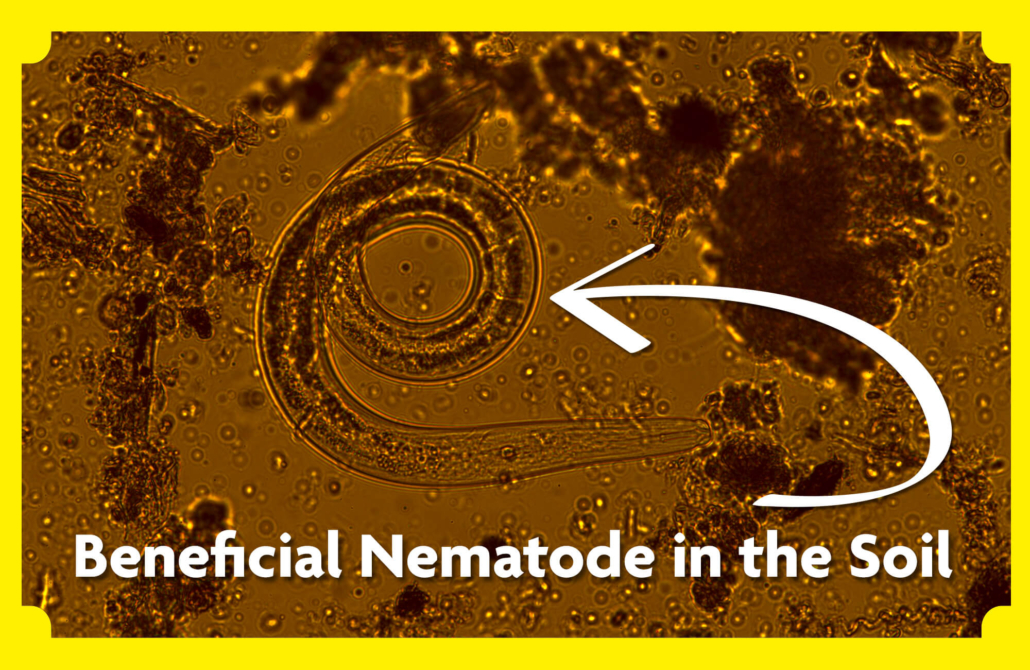
      Nematology is the study of nematodes—the most numerous multicellular organisms on Earth. While some nematodes are harmful, many play a crucial role in maintaining soil health and managing pest populations.

      Dr. Kolodge describes beneficial nematodes as “nature’s pest controllers,” explaining that they actively seek out and eliminate harmful insects before they can cause damage. “It’s about getting ahead of the problem rather than reacting once it’s too late,” he emphasizes.

      How Beneficial Nematodes Work

      • Target Specific Pests: Beneficial nematodes enter insect larvae, releasing bacteria that break down the pest from the inside out.
      • Prevent Infestations: By controlling pests at the larval stage, nematodes stop outbreaks before they begin.
      • Safe and Sustainable: Unlike chemical pesticides, nematodes do not harm beneficial insects, humans, or the environment.

      “And we need to teach this in every individual needs to spend a little time covering the basics of how to handle recycled organics and to utilize microorganisms that nature has produced, such as beneficial nematodes, and reintroduce that life back into soils that have been degraded.”
      – Dr. Craig Kolodge

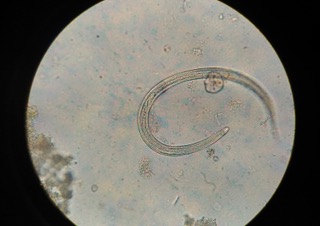
      Beneficial Nematodes under a microscope

      Tune in for Part III

      In the final part of this series, we’ll explore how to introduce beneficial nematodes into your garden and maximize their effectiveness.

      Dr. Craig Kolodge

      Blog Series: Beneficial Nematodes–Nature’s Secret Weapon for a Healthy Garden Part 1

      Understanding Soil Health and Natural Pest Control

      Introduction

      As a gardener, you have the power to work with Mother Nature to create a healthier, more beautiful garden while playing a role in restoring balance to our planet. It all starts with healthier soil—the foundation of a thriving garden.

      But what does it mean to have “healthy” soil? Soil health is defined as the capacity of soil to function as a vital living ecosystem, providing essential services such as plant nourishment and natural pest management.

      In this blog, we introduce Dr. Craig Kolodge, a plant pathologist specializing in nematology, who is passionate about soil health and working with nature to create sustainable solutions. Today, we’re discussing how beneficial nematodes help solve serious pest problems in a natural, non-toxic, and effective way.

      The Science Behind Soil Health

      Healthy soil is teeming with microscopic life, including bacteria, fungi, and nematodes. These organisms work together to break down organic matter, cycle nutrients, and maintain a balanced ecosystem. However, modern agricultural practices, chemical pesticides, and soil depletion have disrupted this balance, leading to pest problems and reduced soil fertility.

      Dr. Kolodge explains, “By working with nature instead of against it, we can restore soil health and create an environment where plants thrive without the need for chemical interventions.”

      Beneficial Nematodes = Healthy Soil
      Beneficial Nematodes = Healthy Soil

      Tune in for Part II

      Stay tuned for the next part of this series, where we dive into the fascinating world of nematology and how beneficial nematodes serve as nature’s pest controllers.

      The Benefits of Beneficials

      You found us! Welcome to the wonderful world of Gardeners Beneficial Insects!

      Ladybug

      What are beneficial bugs, and why do you need them?

      Anywhere you find plants, you’ll find bugs. Most people used to believe, “The only good bug is a dead bug.” So they’d spray their gardens with chemicals to kill anything that moved.

      There are two big problems with this. First, chemical pesticides are bad for us and bad for the environment. Second, we’ve learned that striking a balance of bugs, both good and bad, is much better than having no bugs at all!

      Survival of the Fittest

      By succeeding in poisoning most of the bugs, we’ve inadvertently left a small band of survivors that reproduce and pass on resistance to these chemicals. Over time, we’ve had to use progressively higher concentrations of harmful pesticides to do the same job. The cycle continues with pests that have become harder and harder to kill.

      Nature Knows Best

      Today, we know that it is better to work with Mother Nature instead of against her. Almost all pests have natural enemies, which we usually call beneficial insects. Best of all, harmful pests can never build up a resistance to being eaten!

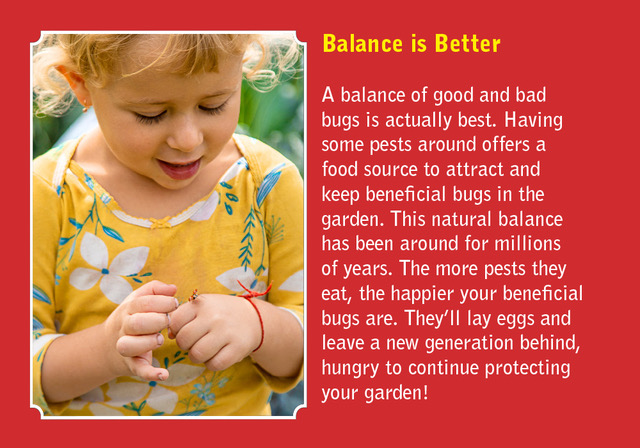
      Balance is Better

      Get By With a Little Help from Gardeners

      Whenever you see things drifting out of balance, like discovering a hoard of aphids attacking your roses, you can give Mother Nature a little nudge by deploying some ladybugs to feast on the aphids.

      Gardeners Beneficials work both above and below ground to protect your garden from harmful pests. These include predators that attack and devour pests directly, and parasites that lay eggs inside or alongside pest eggs, eliminating hatching pests before they have a chance to attack plants.

      Let us introduce you to our beneficial bugs

      Ladybugs

      These little red polka-dotted bugs love mowing down aphids! They also devour thrips, scale, mealybugs and mites.

      Ground Control Beneficial Nematodes

      Nematodes are microscopic warriors that live in soil and hunt down pests before they grow up and emerge as flying destructive insects that chew holes in your plants.

      Praying Mantis

      Praying mantis lie in wait for those pesky insects that chew big holes in your leaves.