
Blog Series: Beneficial Nematodes–Nature’s Secret Weapon for a Healthy Garden Part 3
Implementing Beneficial Nematodes for a Thriving Garden
Introduction
Now that we understand how beneficial nematodes work, it’s time to put them to use in our own gardens. By incorporating nematodes into your soil management plan, you can create a self-sustaining ecosystem where pests remain under control naturally.
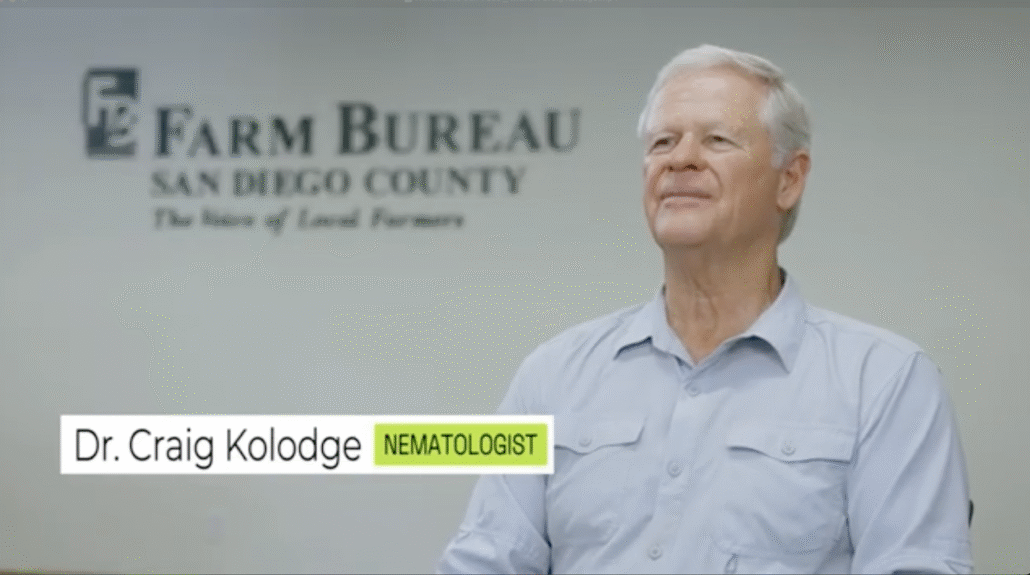
Dr. Kolodge’s Expert Advice on Implementing Beneficial Nematodes in Your Garden
Best Practices for Introducing Beneficial Nematodes
- Choose the Right Nematodes: Different species target different pests, so be sure to select the right type for your garden’s needs.
- Apply at the Right Time: Beneficial nematodes are most effective when applied in the early morning or evening when soil moisture is high.
- Keep Soil Moist: Nematodes need moisture to move through the soil and locate their prey.
- Repeat Applications as Needed: Depending on the severity of the pest problem, multiple applications may be necessary for long-term success.
Why Beneficial Nematodes Are a Game Changer
- They act as the “livestock” of the soil, sustaining the natural nutrient cycle.
- Chemical pesticides often fail, leading to resistant pests and further imbalance.
- True pest management isn’t about eliminating pests but working with nature to maintain balance.
Dr. Kolodge stresses that waiting until an infestation gets out of control leads to irreversible damage. “If you allow it to explode, it always costs a lot more. Sometimes the damage is so bad that it triggers a domino effect, making it nearly impossible to recover.”
Conclusion: The Future of Sustainable Gardening
The key to a thriving garden and a healthier planet lies beneath our feet. By introducing and nurturing beneficial nematodes in your soil, you take a crucial step in supporting biodiversity, improving soil health, and naturally managing pests.
“Most people rarely stick their hands in soil, rarely understand that in many respects, when you walk into a garden, you’re never alone because you’re supported by the millions upon millions of microorganisms that you depend upon that are holding you up.”
– Dr. Craig Kolodge

A special thank you to Dr. Craig Kolodge for sharing his expertise and inspiring gardeners to work in harmony with nature.

